
Blog
The Role of Artificial Intelligence in Shaping Future Education
Artificial intelligence is rapidly changing the world, and education is one of the fields experiencing the biggest transformation. Whether it’s personalized learning platforms or tools that simplify grading, AI is changing the way students study and how teachers manage their classrooms. As technology continues to advance, the future of education will depend heavily on smart systems that make learning easier, quicker, and more accessible for everyone. For students, teachers, and educational institutions, understanding AI’s role is now essential to keep up with the pace of modern learning.
How AI Is Revolutionizing Learning Environments
Today’s classrooms are becoming smarter and more interactive because of AI-powered tools. With intelligent learning apps, students receive instant suggestions, track their improvement, and study at a pace that suits them. These tools analyze performance and highlight where a learner may need more guidance, allowing teachers to offer support more effectively.
AI-equipped classrooms with digital boards and smart sensors also create engaging learning experiences. Teachers can manage lessons smoothly, present concepts visually, and make learning more enjoyable and easier to understand.
Personalized Learning Through AI
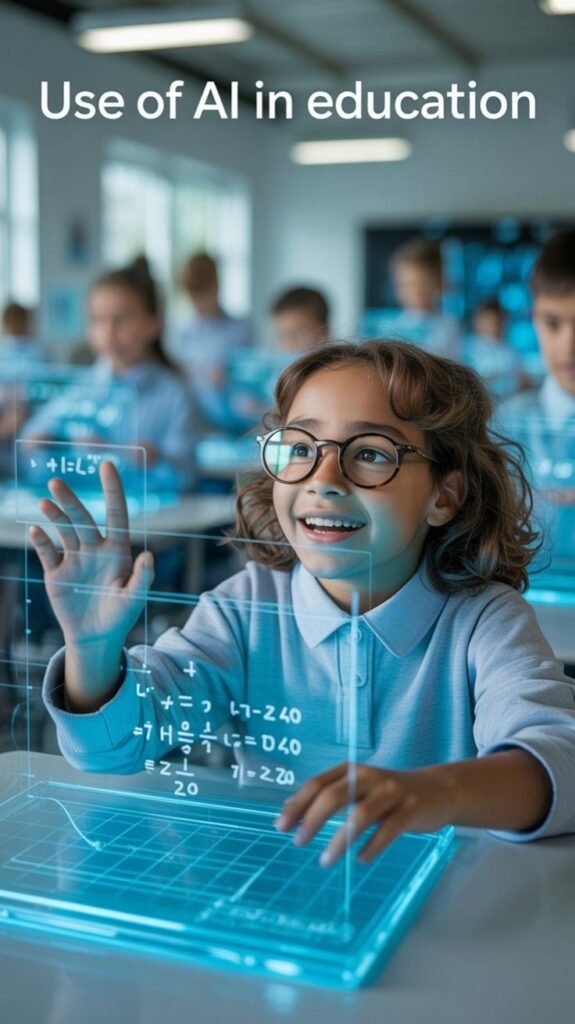
The capacity to provide personalized learning is one of the main benefits of AI in education. AI customized lessons according to each student’s strengths and shortcomings rather than applying the same teaching strategy to all of them. Artficial intelligence systems, for instance, can produce practice assignments and quizzes customized to a student’s learning level and recommend specific study materials.
This individualized learning path increases academic achievement, lowers confusion, and maintains students’ motivation. Fast learners can proceed without waiting for the remainder of the class, while slow learners receive more assistance.
Key Benefits of AI in Education
- Creates personalized learning journeys for each student
- Gives quick feedback and tracks performance in real time
- Reduces teachers’ workload through automated checking
- Increases engagement with smart and interactive tools
- Makes learning accessible for students with disabilities
AI Tools Supporting Teachers
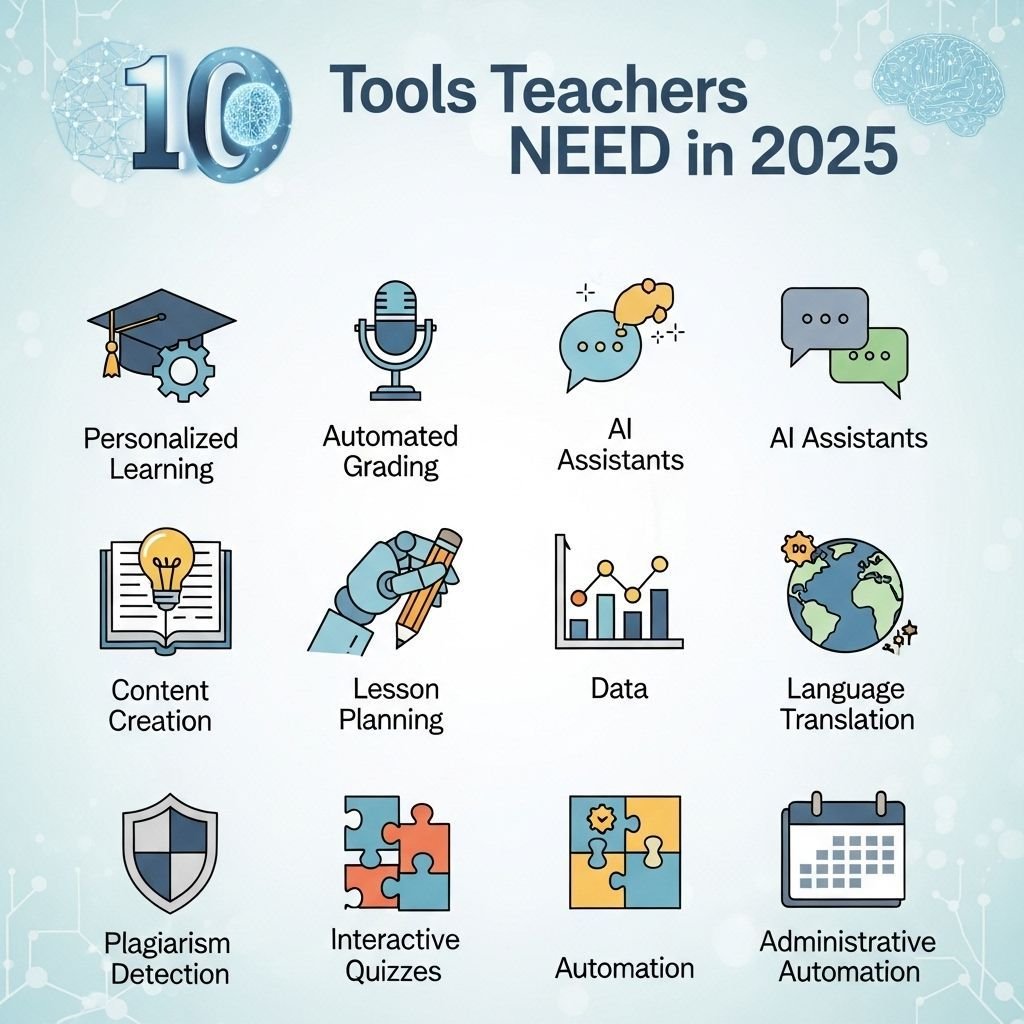
AI does not replace teachers it strengthens their abilities. Automated grading tools save hours of manual checking by evaluating quizzes, assignments, and in some cases long answers or essays. Classroom management systems powered by AI can monitor student progress, identify struggling students, and help teachers plan better lessons.
AI support tools include
- AI tutoring apps for study help outside of class
- VR and simulation tools for hands-on learning
- Interactive smart boards and digital assistants
- Speech-to-text tools for accessibility
- Adaptive learning platforms that change difficulty based on performance
Improving Student Engagement and Learning Outcome
AI transforms challenging subjects into interactive, visual experiences that make learning engaging. With VR and AI-based simulations, students can virtually investigate scientific labs, historical sites, or mathematical models.
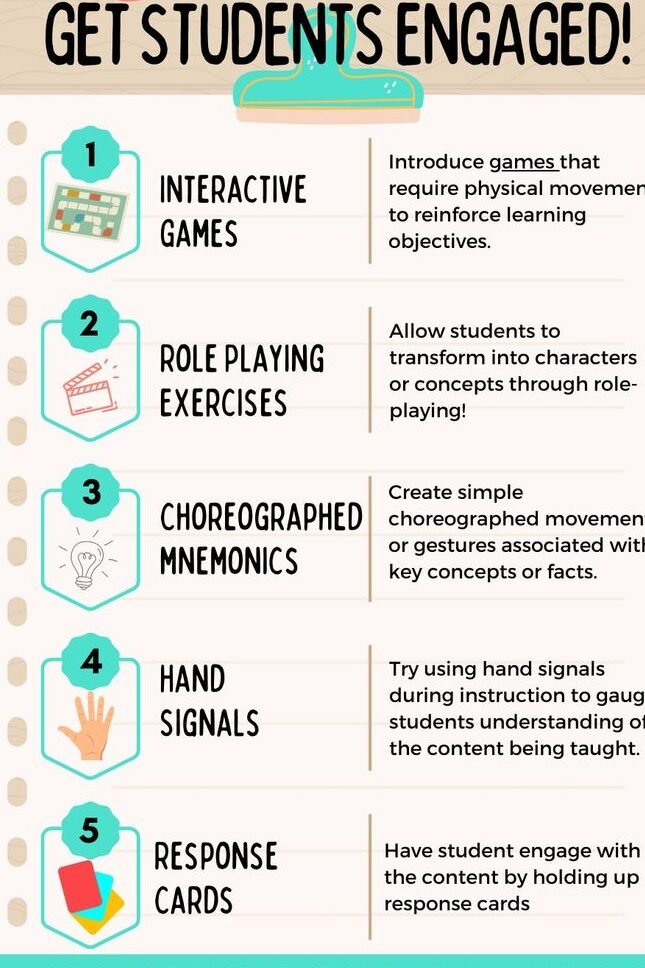
Students are motivated by gamified learning, which uses competitions, challenges, and prizes. These characteristics help maintain concentration, improve information retention, and make learning more enjoyable for students.
AI-Powered Assessment and Real-Time Feedback
AI makes tests quicker and more accurate. Instead of waiting days for results, students can get immediate scores and understand their mistakes right away. This helps them improve faster.
Teachers also benefit from AI-generated reports that show performance trends, class averages, and learning gaps. These insights help educators adjust their teaching strategies more effectively.
Enhanced Accessibility in Education
AI is making education more inclusive for students with disabilities. Tools like text-to-speech, speech-to-text, and real-time translating apps allow more learners to participate comfortably.
Students with visual impairments can use AI reading tools, while hearing-impaired learners benefit from auto-captioning. By breaking learning barriers, AI ensures that every student gets equal opportunities.
Future of Education With AI
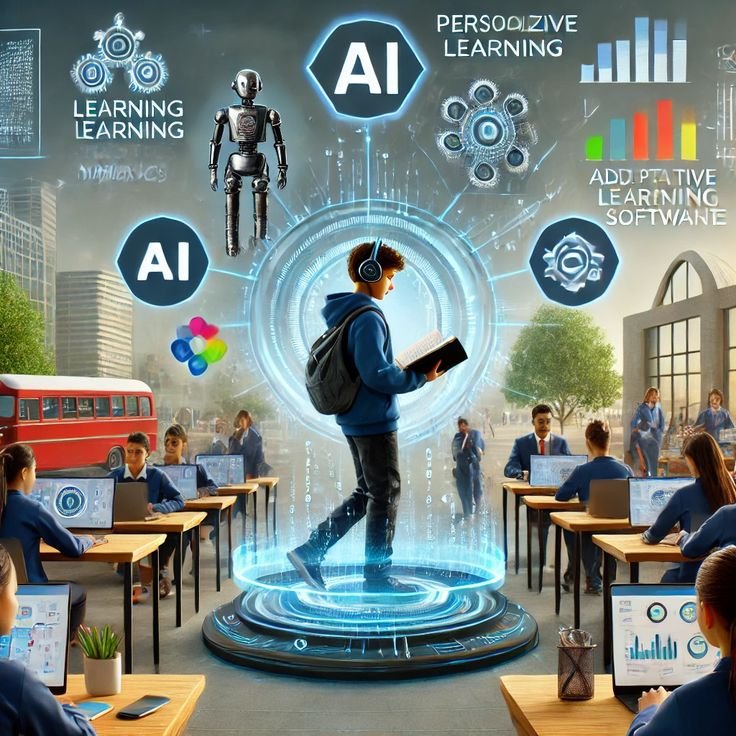
Intelligent digital technologies and human instruction will coexist in the classroom of the future. AI-guided environments, virtual mentors, and adaptive platforms will all be used to teach students. Colleges and universities will use AI systems to improve planning, expedite administration, and make better decisions.
AI will make education more specialized, adaptable, and skill-focused in the years to come. In addition to studying conventional subjects, students will acquire future-ready skills such as advanced digital literacy, creativity, and critical thinking.
Conclusion
Artificial intelligence is becoming a key driver in contemporary education. From personalized looks at stories to real-time checks and progressive accessibility, AI is opening the door to smarter and greener mastery. As the sector moves towards a virtual era, adopting AI in education will help students and instructors achieve results and prepare for future challenges. Institutions that welcome AI-based gear will create more robust learning environments and empower students to succeed in an ever-changing world.