
Blog
Achieve your Dreams: Admission Requirements for Canadian Universities: A Complete Guide for International Students
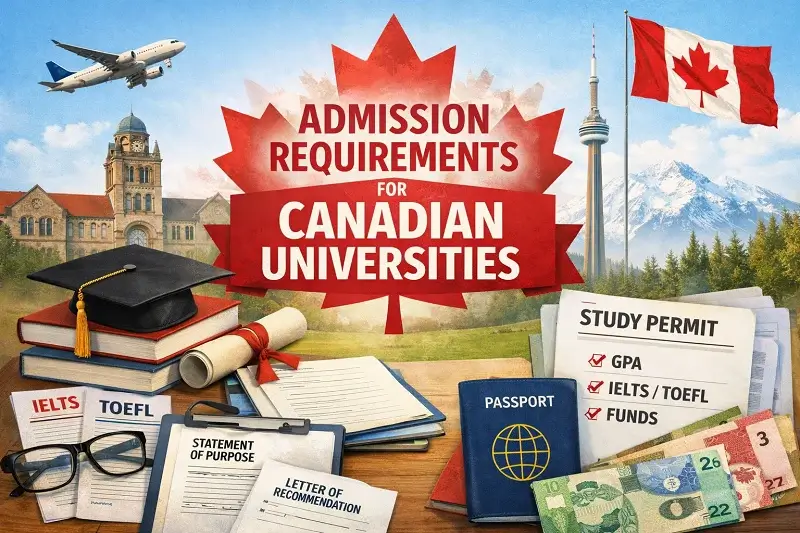
Admission requirements for Canadian universities explained in detail. Learn eligibility criteria, GPA, IELTS/TOEFL scores, SOP, documents, and Canada study permit process.
Canada has become one of the most popular study destinations in the world due to its high-quality education system, globally recognized degrees, and welcoming environment for international students. If you’re planning to study in Canada, understanding the admission requirements for Canadian universities is the first and most important step. This guide explains everything you need to know—from academic qualifications to language tests and visa requirements. Moreover, Canada offers a unique blend of cultural diversity, stunning landscapes, and vibrant cities, making it an ideal place for international students to thrive academically and personally.
Why Study in Canada?
Additionally, studying in Canada opens doors to various experiences that extend beyond the classroom. From networking opportunities to community involvement, international students are encouraged to engage with their surroundings and immerse themselves in Canadian culture.
Canadian universities consistently rank among the top institutions globally. Students benefit from:
- World-class education and research opportunities
- Affordable tuition compared to other English-speaking countries
- Multicultural campuses
- Post-study work opportunities and immigration pathways
General Admission Requirements for Canadian Universities
Although requirements may vary by university and program, most Canadian institutions follow similar admission criteria. Each university typically has its own set of guidelines, but understanding the commonalities can help streamline your application process.
1. Academic Requirements
Your academic background must meet the minimum standards set by the university. This typically involves providing evidence of your previous educational achievements, which can include transcripts, certificates, and other relevant documentation.
In addition to these benefits, students often find that Canadian universities offer a wide range of extracurricular activities, which can enhance their educational experience significantly. Participation in clubs, student organizations, and volunteer opportunities allows students to develop essential life skills while enjoying their time in Canada.
- Undergraduate Programs
- Higher Secondary School Certificate (HSSC) or equivalent
- Strong academic grades, usually 60–80% or higher
- Relevant subjects depending on the program
- Graduate (Master’s) Programs
- Bachelor’s degree from a recognized institution
- Minimum CGPA (usually 2.5–3.0 on a 4.0 scale)
- Relevant academic background in the chosen field
- Doctoral (PhD) Programs
- Master’s degree in a related discipline
- Strong research proposal
Prior research or publications (preferred) Prospective students should conduct thorough research on their chosen field of study and the specific institutions they wish to apply to, as this knowledge can help tailor their applications to meet the expectations of each program.
2. English Language Proficiency Requirements
English language proficiency is critical for success in Canadian universities, as most programs are taught in English. Demonstrating your ability to communicate effectively in English will be an essential part of your application process.
Since most programs are taught in English, international students must prove language proficiency.
Commonly accepted tests include:
In some cases, universities may request standardized test scores or other specific qualifications that demonstrate your preparedness for higher education. It is essential to carefully review the requirements for each university and program to ensure compliance.
- IELTS Academic (usually 6.0–6.5 overall)
- TOEFL iBT (80–100)
- Duolingo English Test (110–120)
- PTE Academic
👉 Some universities may waive IELTS if you have previously studied in English or completed education in an English-medium institution.
3. Standardized Test Requirements (If Applicable)
- SAT/ACT – For some undergraduate programs
- GRE – For certain graduate programs (engineering, sciences)
- GMAT – For MBA and business programs
Many Canadian universities have made these tests optional or program-specific.
4. Statement of Purpose (SOP)
A Statement of Purpose explains:
- Your academic background
- Reasons for choosing the program and university
- Career goals
- How the program aligns with your future plans
A strong SOP can significantly improve your chances of admission.
A strong Statement of Purpose can significantly improve your chances of admission, as it provides an opportunity to showcase your personality, aspirations, and motivations. Make sure to tailor your SOP to reflect your unique journey and how the chosen program aligns with your academic and career goals.
5. Letters of Recommendation (LORs)
Most universities require 1–3 recommendation letters from:
- Professors
- Academic supervisors
- Employers (for professional programs)
6. Resume or CV (Mainly for Graduate Programs)
Your CV should highlight:
- Academic achievements
- Work experience
- Research projects
- Publications (if any)
7. Application Fee
Understanding the admission requirements for Canadian universities is essential for a successful application. While requirements vary by institution and program, strong academics, English proficiency, and well-prepared documents can significantly boost your chances. With careful planning and timely applications, studying in Canada can become a reality for you. As you embark on this educational journey, remember to remain persistent and proactive in fulfilling all admission prerequisites.
Additional Requirements for International Students
1. Proof of Funds
You must demonstrate financial ability to cover:
- Tuition fees
- Living expenses
- Travel costs
This is required for both admission and study permit applications.
2. Study Permit (Student Visa)
After receiving an offer letter, you must apply for a Canadian Study Permit. Required documents include:
- Letter of Acceptance
- Proof of funds
- Valid passport
- Medical exam and police clearance (if required)
Admission Requirements by Degree Level (Quick Overview)
| Degree Level | Key Requirements |
|---|---|
| Diploma | Secondary school certificate |
| Bachelor’s | High school + English test |
| Master’s | Bachelor’s degree + SOP + LORs |
| PhD | Master’s degree + research proposal |
Tips to Meet Canadian University Admission Requirements
- Apply early to increase acceptance chances
- Carefully check program-specific requirements
- Improve your English test score if needed
- Prepare a strong SOP and CV
- Shortlist universities based on your academic profile
List of Canadian Universities and Their Admission Criteria
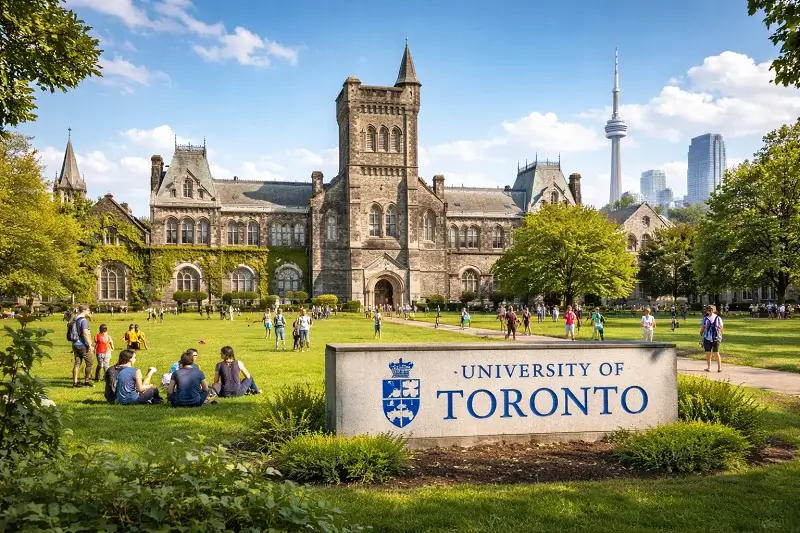
1. University of Toronto
Undergraduate
- High school certificate (70–85%+)
- IELTS: 6.5 overall (no band below 6.0)
- TOEFL iBT: 100
Graduate
- Bachelor’s degree (minimum CGPA 3.0/4.0)
- IELTS: 7.0
- SOP + 2–3 LORs
- How to apply
2. University of British Columbia (UBC)
Undergraduate
- High school with strong academic record
- IELTS: 6.5 (minimum 6.0 each band)
- TOEFL: 90
Graduate
- Bachelor’s degree (65–75% or CGPA 3.0)
- IELTS: 6.5–7.0
- SOP, LORs, CV
3. McGill University
Undergraduate
- High school certificate
- IELTS: 6.5
- TOEFL: 90
Graduate
- Bachelor’s degree (minimum CGPA 3.0)
- IELTS: 6.5–7.0
- Research proposal (for thesis programs)
- How to apply

4. University of Alberta (How to apply)
Undergraduate
- Secondary school qualification
- IELTS: 6.5
- TOEFL: 90
Graduate
- Bachelor’s degree (minimum 3.0/4.0)
- IELTS: 6.5
- SOP + LORs

5. University of Waterloo (How to apply)
Undergraduate
- High school with strong math/science background
- IELTS: 6.5
- TOEFL: 90
Graduate
- Bachelor’s degree (75%+)
- IELTS: 6.5–7.0
- GRE (some technical programs)
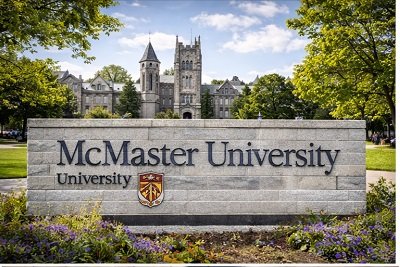
6. McMaster University (How to apply)
Undergraduate
- High school certificate
- IELTS: 6.5
- TOEFL: 86
Graduate
- Bachelor’s degree (minimum B average)
- IELTS: 6.5
- SOP and LORs
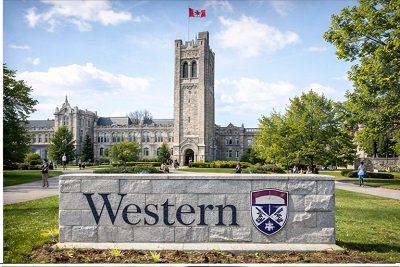
7. Western University (How to apply)
Undergraduate
- Secondary school certificate
- IELTS: 6.5
- TOEFL: 83
Graduate
- Bachelor’s degree (70%+)
- IELTS: 6.5
- SOP + references
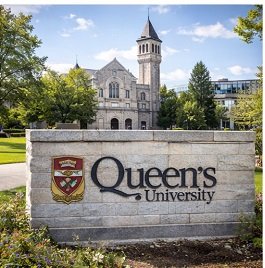
8. Queen’s University (How to apply)
Undergraduate
- High school diploma
- IELTS: 6.5
- TOEFL: 88
Graduate
- Bachelor’s degree (minimum 3.0 GPA)
- IELTS: 7.0
- Academic references

9. Simon Fraser University (How to apply)
Undergraduate
- High school qualification
- IELTS: 6.5
- TOEFL: 88
Graduate
- Bachelor’s degree (CGPA 3.0)
- IELTS: 6.5
- SOP + LORs
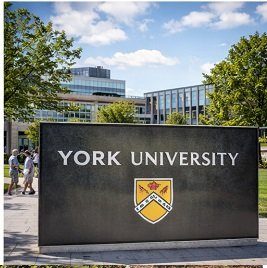
10. York University (How to apply)
Undergraduate
- High school certificate
- IELTS: 6.5
- TOEFL: 83
Graduate
- Bachelor’s degree (minimum B average)
- IELTS: 6.5–7.0
- SOP + CV
Quick Comparison Table
| University | Undergraduate IELTS | Graduate IELTS | GPA / Percentage |
|---|---|---|---|
| Toronto | 6.5 | 7.0 | 3.0+ |
| UBC | 6.5 | 6.5–7.0 | 65–75% |
| McGill | 6.5 | 6.5–7.0 | 3.0 |
| Alberta | 6.5 | 6.5 | 3.0 |
| Waterloo | 6.5 | 6.5–7.0 | 75%+ |
| McMaster | 6.5 | 6.5 | B average |
| Western | 6.5 | 6.5 | 70%+ |
| Queen’s | 6.5 | 7.0 | 3.0 |
| SFU | 6.5 | 6.5 | 3.0 |
| York | 6.5 | 6.5–7.0 | B average |
Important Notes for Students
- Some universities waive IELTS if prior education was in English
- Competitive programs (Medicine, Engineering, MBA) have higher requirements
- Meeting minimum criteria does not guarantee admission
Conclusion
Understanding the admission requirements for Canadian universities is essential for a successful application. While requirements vary by institution and program, strong academics, English proficiency, and well-prepared documents can significantly boost your chances. With careful planning and timely applications, studying in Canada can become a reality for you.
Ultimately, the keys to success lie in your preparation, research, and determination. By staying informed about the admission requirements for Canadian universities and actively engaging with your chosen institutions, you will be well on your way to achieving your academic goals.
Understanding the nuances of admission requirements for Canadian universities is critical.
Networking can help clarify admission requirements for Canadian universities.
Engaging with alumni can provide insights into the admission requirements for Canadian universities.
Ultimately, grasping the admission requirements for Canadian universities can lead to success.
By adhering to the admission requirements for Canadian universities, you pave your way.
Frequently Asked Questions (FAQs)
1. What are the basic admission requirements for Canadian universities?
Most Canadian universities require academic transcripts, proof of English language proficiency (IELTS/TOEFL/Duolingo), a Statement of Purpose (SOP), letters of recommendation, and a completed online application.
2. What GPA is required to study in Canada?
Generally, a minimum 60–70% for undergraduate programs and a CGPA of 2.5–3.0 on a 4.0 scale for graduate programs is required. Competitive universities and programs may demand higher grades.
3. Is IELTS mandatory for admission to Canadian universities?
IELTS is commonly required, but some universities waive IELTS if the applicant has completed previous education in English or studied in an English-medium institution.
4. What IELTS score is required for Canadian universities?
Most universities require:
- Undergraduate: IELTS 6.0–6.5
- Graduate: IELTS 6.5–7.0
Specific programs may have higher requirements.
5. Can I study in Canada without IELTS?
Yes, some Canadian universities allow admission without IELTS if you provide alternative proof such as:
- English-medium education certificate
- TOEFL or Duolingo scores
- Completion of an English pathway or foundation program
6. Do Canadian universities require GRE or GMAT?
GRE or GMAT is program-specific. Many universities have made these tests optional, but MBA, engineering, and business programs may still require them.
7. What documents are required for Canadian university admission?
Common documents include:
- Academic transcripts
- English test scores
- Statement of Purpose (SOP)
- Letters of Recommendation (LORs)
- Resume/CV (for graduate programs)
- Copy of passport
8. Is work experience required for admission in Canada?
Work experience is not mandatory for most programs, but it is often required or preferred for MBA and professional master’s programs.
9. How much is the application fee for Canadian universities?
Application fees typically range from CAD 75 to CAD 150, depending on the university and program.
10. When should I apply to Canadian universities?
Most universities have three intakes:
- Fall (September) – Main intake
- Winter (January)
- Spring/Summer (May)
You should apply 8–12 months in advance.
11. Does meeting minimum requirements guarantee admission?
No. Meeting the minimum criteria does not guarantee admission, especially for competitive universities and programs.
12. Do I need a study permit after admission?
Yes. After receiving an offer letter, international students must apply for a Canadian Study Permit to legally study in Canada.
13. Are Canadian universities good for international students?
Yes. Canadian universities are globally recognized, offer high-quality education, and provide post-study work opportunities and immigration pathways.
14. Can international students work while studying in Canada?
Yes. International students can work up to 20 hours per week during academic sessions and full-time during scheduled breaks.
15. What are the chances of getting PR after studying in Canada?
Canada offers strong post-study work and immigration options such as PGWP and Express Entry, making it one of the best countries for international students seeking permanent residency.