
Blog
Advanced AI the Smart Home Devices of 2025

Advanced AI the Smart Home Devices of 2025? This year, smart homes are getting even smarter, safer, and more energy-efficient. AI advancements such as machine learning, natural language processing, and intelligent automation are changing what it means for a home to interact with a human. Products such as smart speakers, AI security cameras, and automated energy systems offer immense convenience, improved security for users, and huge power savings compared to existing products.
Today’s AI can understand users’ patterns, anticipate their needs, and add convenience to everyday life
What Makes AI-Powered Smart Home Devices Smarter?

By Advanced AI the Smart Home Devices of 2025 as we know them will be entirely secure and much smarter. Space-age innovations like machine learning for smart home gadgets, robotic systems, and more intelligent and ready natural language processing-enabled virtual beings are shifting the landscape for every corner of where you build your nest. These are all tremendous advances in lifestyle, convenience, and efficacy that make it easier to be more successful. The proliferation of AI-empowered products means users are benefiting from smarter, securer, and more connected living environments. Advanced AI is capable of learning the routines of people
Difference Between Traditional and AI-Based Smart Devices
Standard smart devices rely on mobile app controls or manual programming. Only when users provide explicit instructions do they function.Advanced AI, the smart home devices 2025, on the other hand, utilize pattern recognition and user-specific adaptation to think, learn, and act on their own preferences.

- Traditional devices require manual input, whereas AI devices offer automatic self-learning.
- AI-powered devices predict user needs, improving comfort and efficiency.
- AI systems communicate with other devices, creating a connected smart home ecosystem.
Real-Time Decision Making & Automated Control
AI enables electronic devices in homes to make decisions quickly based on the circumstances. For instance, lights can come on when someone enters a room, security cameras can detect movement, and heaters can automatically change the temperature.
This automated real-time control requiring home security and comfort and demands less work from the user. Additionally, by only reacting when necessary, it guarantees that gadgets operate more effectively.
Core AI Technologies Powering Smart Home Devices
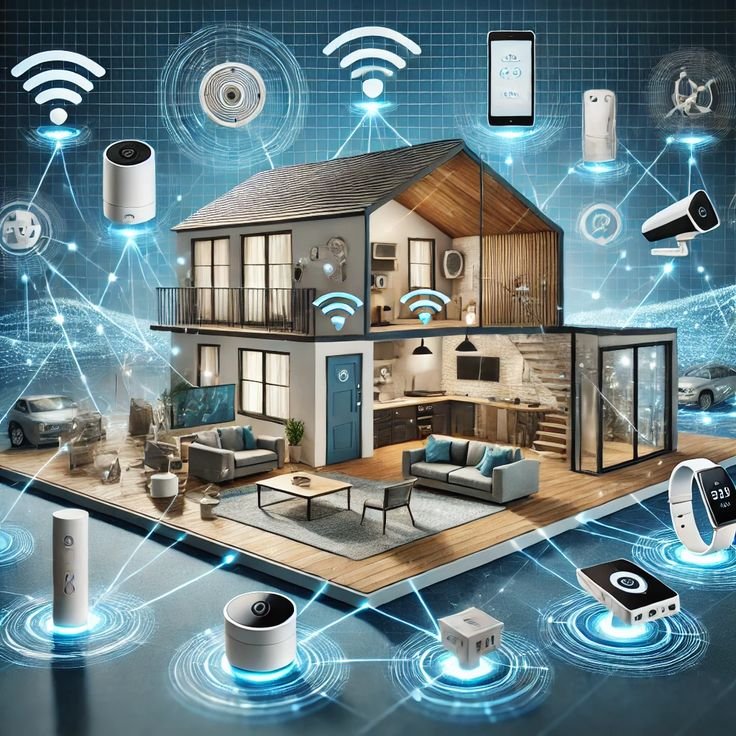
AI smart home devices rely on multiple advanced technologies that improve adaptability, accuracy, and automation. These technologies include machine learning, NLP, computer vision, and IoT integration—all of which work together to create a fully secured intelligent home ecosystem.
Machine Learning for Predictive Home Automation
Smart gadgets can identify trends, like your daily schedule, preferred temperature, or lighting preferences, thanks to machine learning. ML algorithms eventually enhance device accuracy and automate processes without requiring user input.
- In predicting user behavior, machine learning enables automatic modifications without the need for human intervention.
- Over time, ML makes devices smarter by improving accuracy.
- ML increases total home efficiency by lowering energy waste.
AI for Energy Efficiency & Cost Savings
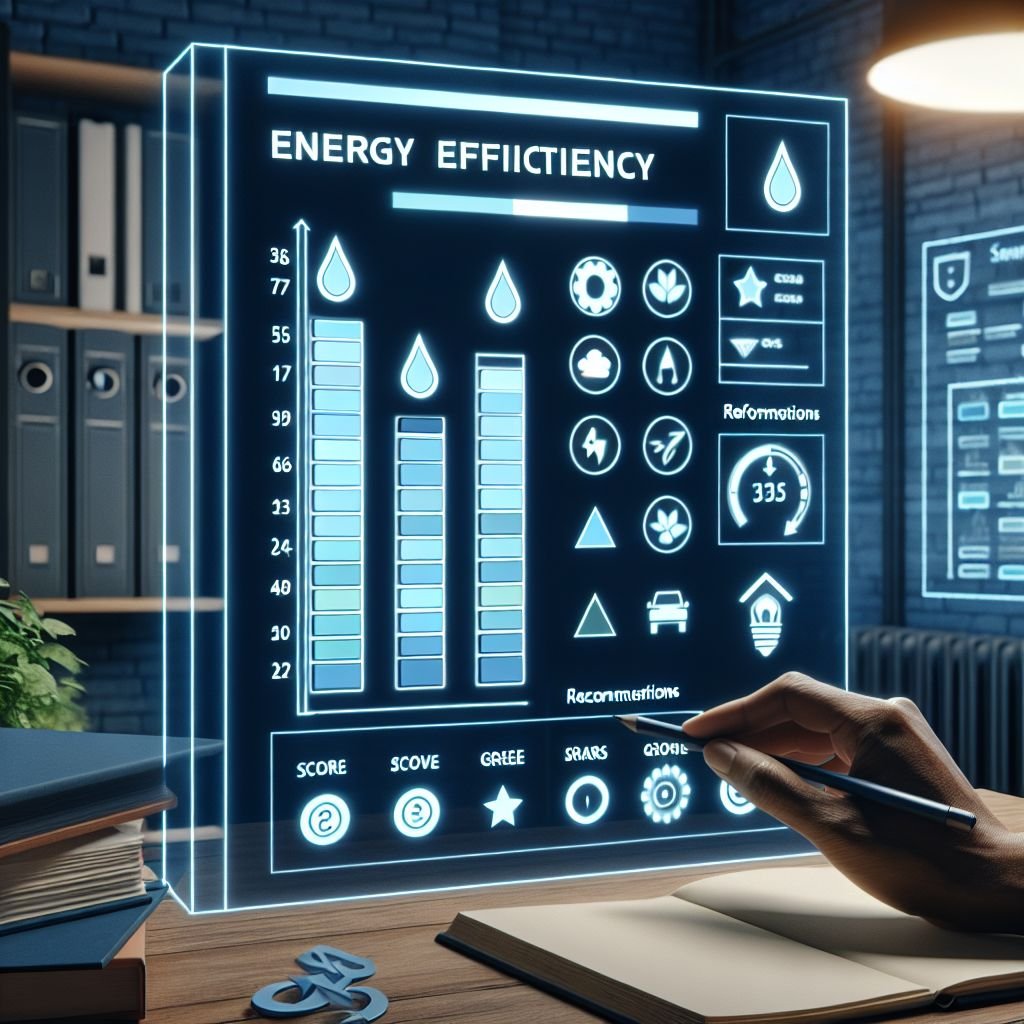
In tracking consumption trends and improving gadget performance, AI helps reduce energy waste. AI-powered appliances, lighting controls, and temperature settings enable automatic power-saving adjustments, lowering costs and promoting a greener lifestyle.
AI can identify areas of excessive use and suggest improvements for increased efficiency by evaluating data on energy consumption.
Smart Energy Monitoring & Predictive Adjustments
AI monitors electricity consumption and adjusts gadgets to prevent unnecessary energy from being used. For instance, sensors adjust heating and cooling according to weather forecasts, and lights automatically switch off in idle rooms.
AI-Driven Home Security Systems

By integrating intelligent monitoring, real-time warnings, and predictive risk identification, AI-driven home security systems are revolutionizing how homeowners protect their properties. AI-powered cameras and sensors, compared to conventional security systems, can distinguish between family members, pets, and attackers, thereby reducing false alarms and enhancing reaction times. These systems can anticipate unusual behavior, immediately notify homeowners via mobile apps, and even interact with other smart devices to trigger automated security actions, thanks to cutting-edge technologies that trigger facial recognition, motion detection, and machine learning algorithms.
Conclusion
In 2025, artificial intelligence-powered smart home devices will redefine convenience, security, and energy efficiency. By applying advanced technologies such as machine learning, natural language processing, computer vision, and IoT integration, modern smart homes can anticipate user needs, automate daily routines, and optimize energy usage. From AI-driven home security systems to automatic energy management and real-time automated control, these intelligent devices create a simple, connected living environment. For homeowners seeking comfort, safety, and cost savings, AI-based smart homes offer unparalleled benefits. As AI technology continues to evolve, smart homes of the future will become even easier to use, adaptive, and eco-friendly—making them an essential part of today’s tech-savvy lifestyle.